Table of Contents
Online vs Offline Digital Marketing Course: Which Is Better Today
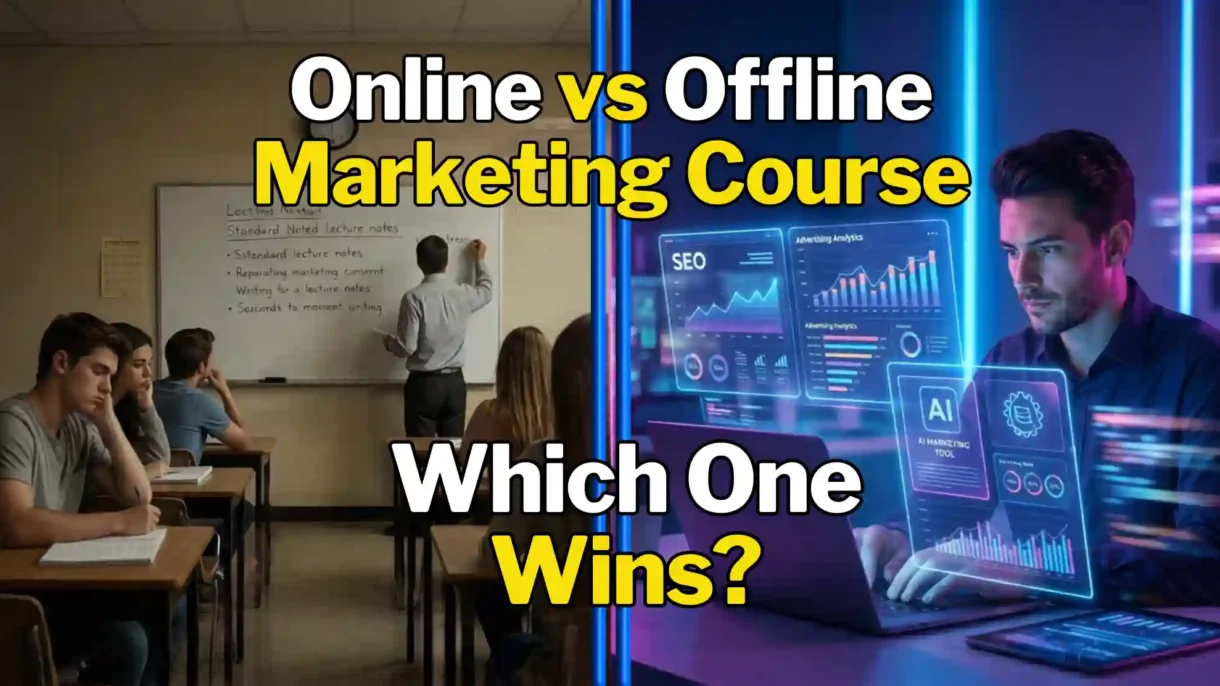
A decade ago, most professional skills were taught inside physical classrooms. Students attended scheduled lectures, took notes and followed structured curriculums delivered by instructors standing in front of whiteboards.
But today the world of marketing looks very different. Modern marketing campaigns are built using analytics dashboards, AI tools, marketing automation platforms, and digital advertising ecosystems that operate entirely online.
Businesses launch campaigns globally, marketers collaborate remotely, and marketing strategies evolve rapidly through data-driven experimentation.
This transformation raises an important question for aspiring marketers:
Should digital marketing still be learned inside traditional classrooms, or does online education better reflect how marketing actually works today?
The debate between an online vs offline digital marketing course is becoming increasingly relevant as more learners seek practical training that aligns with modern industry needs.
Both learning formats offer value. However, the rise of simulation-based learning, remote collaboration, and AI-powered marketing tools is gradually shifting the center of digital marketing education toward online learning environments.
Understanding this shift requires exploring how digital marketing education has evolved.
When comparing an online vs offline digital marketing course, modern online learning models are increasingly becoming the preferred choice. Online digital marketing courses provide flexible learning, practical campaign training, and access to advanced tools. Platforms like OCP Academy demonstrate how structured online digital marketing learning can prepare students for real-world marketing careers.
Why Digital Marketing Skills Are in High Demand
Digital marketing has become one of the fastest growing skill domains in the global economy. Businesses across industries are rapidly investing in digital channels to reach customers online. Several factors are driving the growing demand for digital marketing professionals.
Expansion of the Digital Economy
From small startups to multinational corporations, organizations now rely heavily on online platforms for growth.
E-commerce, online services and digital products have transformed the way businesses interact with customers.
This shift has increased demand for professionals skilled in:
Search Engine Optimization (SEO)
Performance marketing and paid advertising
Social media marketing
content marketing
data analytics and marketing automation
Global Remote Work Opportunities
Digital marketing is inherently location-independent. A marketer in India can manage campaigns for businesses in Europe, North America, or Australia. Remote work has opened international opportunities for digital marketers, especially freelancers and independent consultants.
Rapid Evolution of Marketing Platforms
Platforms like Google Ads, Meta Ads, LinkedIn Ads, and emerging AI marketing tools constantly evolve. This means digital marketers must continuously learn and adapt to new technologies. As a result, digital marketing education must focus not only on theory but also on practical application and real-world experience.
This need for applied learning is one of the reasons the debate between online vs offline digital marketing course models has become more significant.
Playlist
3:27
3:43
4:06
5:18
11:41
15:38

14:41

4:00

4:23

3:18
What Is an Offline Digital Marketing Course?
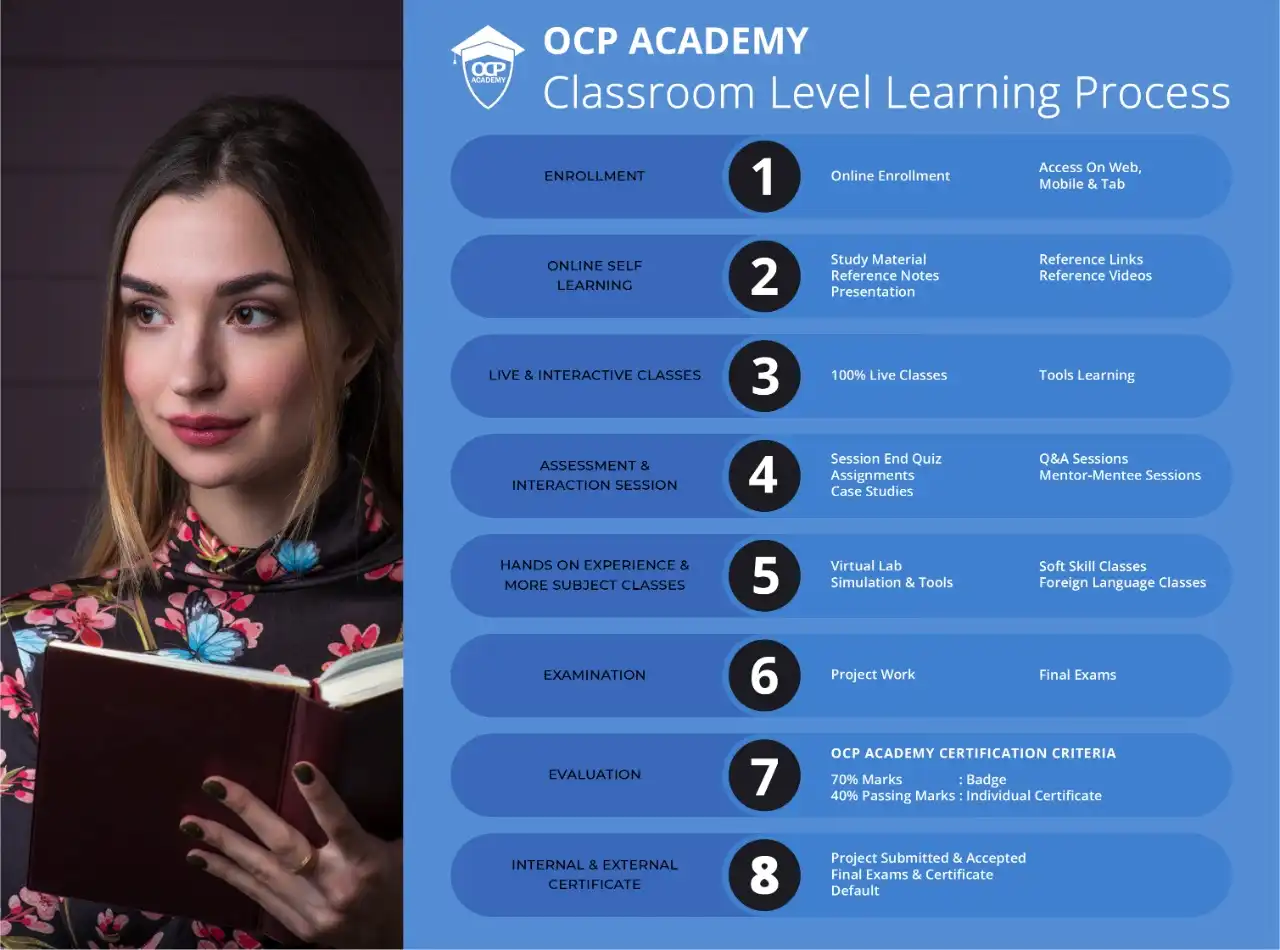
An offline digital marketing course is a classroom-based learning program conducted in physical training institutes or educational centers. Students typically attend lectures in person, participate in classroom discussions, and follow structured training schedules. Offline courses usually include:
-
instructor-led lectures
-
classroom assignments
-
theoretical marketing concepts
-
occasional practical exercises
This format has been widely used in professional education for many years.
Advantages of Offline Courses
Offline learning environments can provide certain benefits.
Classroom Interaction
Face to face interaction allows students to directly communicate with instructors and peers.
This environment can help learners who prefer structured classroom learning.
Structured Learning Schedule
Offline courses usually follow a fixed timetable, which may help some learners maintain discipline and consistency.
Peer Learning Environment
Studying with other learners in the same classroom can encourage group discussions and collaborative learning.
Limitations of Offline Courses
Despite their advantages, offline courses often face limitations when teaching rapidly evolving digital skills.
Limited Flexibility
Students must attend classes at fixed times and locations, which can be difficult for working professionals.
Limited Access to Real Marketing Tools
Many offline institutes focus heavily on theoretical content rather than hands-on campaign execution.
Slower Curriculum Updates
Because digital marketing evolves quickly, offline institutions sometimes struggle to update training programs at the same pace as the industry. These limitations have led many learners to explore online digital marketing course options.
What Is an Online Digital Marketing Course?
An online digital marketing course is a structured training program delivered through digital platforms.
Unlike traditional classroom learning, online courses allow students to access training materials remotely.
Modern online marketing education often includes:
live virtual classes
recorded learning modules
campaign-based assignments
real marketing tools and platforms
performance tracking dashboards
AI-powered marketing tools
Online learning environments simulate the digital workspace where marketers actually operate. This alignment between learning environment and professional environment is one of the reasons online courses are gaining popularity.
Major Advantages of Online Digital Marketing Courses
The growing popularity of online marketing education is driven by several key advantages.
Flexibility and Accessibility
One of the most significant benefits of an online digital marketing course is flexibility. Learners can access lectures, assignments, and training modules from anywhere. This flexibility allows students to balance learning with
-
full-time jobs
-
academic studies
-
freelance work
-
personal commitments
Online learning also removes geographical barriers, making high-quality digital marketing education accessible globally.
Learning With Real Marketing Tools
Modern marketing education must go beyond theoretical explanations. Online learning platforms can integrate real marketing tools directly into training environments. Students often learn using platforms such as:
Google Analytics
SEO tools
advertising dashboards
social media analytics platforms
This exposure helps learners understand how digital marketing actually works in professional settings.
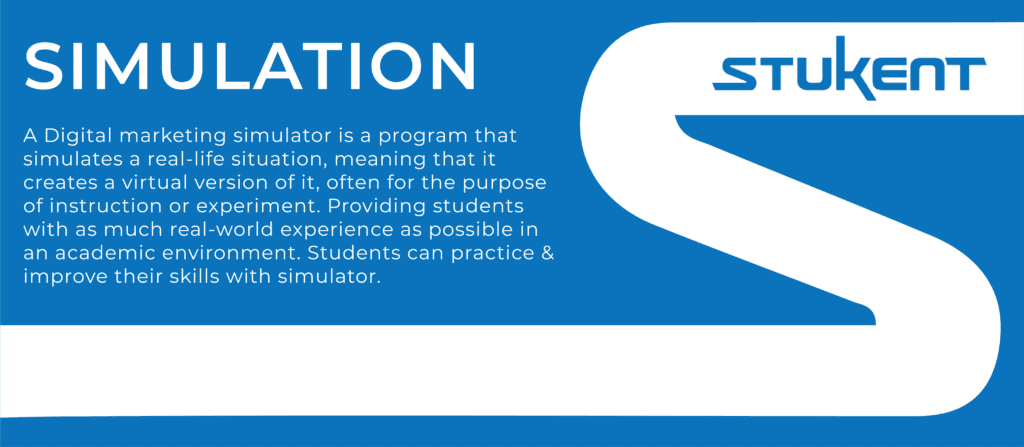
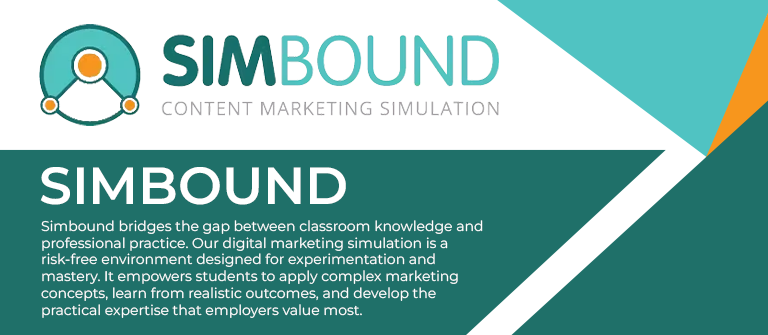
Simulation-Based Campaign Training
One of the biggest challenges in digital marketing education is bridging the gap between theory and real campaign execution. Simulation-based training addresses this challenge. Though simulated marketing environments, students can practice:
creating marketing strategies
managing advertising budgets
analyzing campaign performance
optimizing marketing funnels
These experiences help learners develop decision-making skills that traditional classroom models may not fully replicate.
AI-Driven Marketing Education
Artificial intelligence is transforming digital marketing.
Modern marketing campaigns increasingly rely on:
AI-powered analytics
predictive marketing models
automated content generation
data-driven optimization
Global Mentorship and Industry Exposure
Online learning platforms also allow students to learn from mentors and instructors located anywhere in the world.
This global exposure introduces learners to diverse marketing perspectives and industry insights.
It also reflects how modern marketing teams operate across international markets.
Online digital marketing courses can integrate AI tools directly into learning environments, helping students understand how these technologies influence modern marketing strategies.
Online vs Offline Digital Marketing Course Comparison
| Factor | Online Course | Offline Course |
|---|---|---|
| Flexibility | Learn anytime from anywhere | Fixed classroom schedule |
| Accessibility | Global access | Location dependent |
| Learning Tools | AI tools and analytics platforms | Often limited tools |
| Practical Training | Simulation-based learning | Mostly theoretical |
| Industry Exposure | Global mentors | Local trainers |
| Career Alignment | Mirrors remote marketing work | Classroom environment |
The Learning Gap Many Marketing Students Face
This comparison illustrates how online education increasingly mirrors the real environment where digital marketing actually happens.
A common challenge in digital marketing education is the gap between learning concepts and applying them in real campaigns.
Many learners complete courses that explain marketing strategies but struggle when they manage their first live campaign.
For example A student may understand the theory behind search engine optimization but may not know how to analyze keyword competition, track ranking improvements, or optimize content strategies using real tools.
This is where simulation-based marketing training becomes valuable.
Some modern learning platforms use simulated campaign environments to allow learners to experiment with marketing decisions before managing real campaigns. Programs such as those offered by OCP Academy demonstrate how simulation-driven learning can help students develop strategic thinking and practical marketing skills simultaneously.
Why Online Learning Is Becoming the Future of Digital Marketing Education
Several industry trends are accelerating the growth of online marketing education.
Remote Work Culture
Digital marketing teams increasingly operate remotely.
Learning marketing online naturally prepares students for this environment.
Rapidly Changing Platforms
Digital marketing platforms constantly update their algorithms, tools, and advertising systems. Online education allows curriculums to adapt faster than traditional classroom programs.
Integration of AI Tools
Artificial intelligence tools are becoming essential for marketing analytics, content creation, and campaign optimization. Online platforms can integrate these technologies directly into learning systems.
Global Knowledge Exchange
Online education enables collaboration across international markets, exposing students to diverse marketing approaches. Together, these factors are shaping the future of marketing education.
Modern marketing education requires a combination of theoretical understanding, strategic thinking, and practical application.
Institutions such as OCP Academy illustrate how digital marketing learning models are evolving.
Instead of relying only on traditional lecture-based teaching, modern programs often incorporate:
simulation-based campaign training
AI-integrated marketing tools
strategic marketing case studies
data-driven performance analysis
Through these approaches, learners gain exposure to the kinds of marketing environments they will encounter in professional careers.
Programs designed around practical campaign execution help students develop analytical thinking, experimentation skills, and performance optimization strategies. Such learning environments reflect how digital marketing actually operates in the industry today.
Why OCP Academy is Different
A future-ready learning ecosystem powered by AI, industry expertise, and real-world practice.
Placement Assurance
Strong industry connections and personalized career guidance to prepare you for real job roles.
Small Batch Learning
Only six students per batch ensuring deep focus, clarity, and personalized mentorship.
Industry Faculty
Learn directly from professionals who’ve worked with Google, Apple, Uber, Ola, and Xerox.
Lifetime Access
Unlimited access to course materials, updates, and resources — learning never stops.
Accredited Certifications
Affiliated with The Wharton School and accredited by UGC & AICTE with global recognition.
Free AI Simulator
Practice real-world scenarios using our AI-powered simulators — no extra cost.
Interactive Learning
1:1 sessions, doubt-clearing classes, and continuous mentor-mentee engagement.
AI & Pro Tools
Access industry tools and advanced AI platforms without additional charges.
Analytics & Soft Skills
Business analytics, marketing statistics, communication, and foreign language training.
Flexible Timings
Learn at your pace with flexible schedules designed for students and professionals.
On-Demand Classes
Missed a live class? Schedule sessions anytime that fits your routine.
Strong Alumni Network
Lifetime mentorship, career support, and networking through our alumni ecosystem.
Who Should Choose an Online Digital Marketing Course?
Online digital marketing education can benefit a wide range of learners.
Students Exploring Marketing Careers
Students interested in marketing can gain practical skills early by learning through online platforms.
Working Professionals
Professionals looking to transition into digital marketing often require flexible learning schedules that fit around existing jobs.
Freelancers
Freelancers managing multiple clients benefit from learning marketing tools, analytics systems, and campaign strategies through practical online training.
Entrepreneurs
Business owners who want to manage their own marketing campaigns can develop essential digital marketing skills through structured online programs.
The Future of Digital Marketing Education
Digital marketing education is evolving rapidly. Several emerging trends are shaping its future.
AI-Powered Learning Platforms
Artificial intelligence is increasingly being used to personalize learning experiences and simulate marketing environments.
Simulation-Based Training
Simulated marketing ecosystems allow learners to practice campaign decisions without real financial risk.
Global Mentorship Networks
Students can now learn from marketing professionals worldwide.
Practical Skill Development
Future marketing education will focus heavily on hands-on experience rather than purely theoretical instruction.
These developments suggest that digital marketing education will continue moving toward online, technology-driven learning environments.
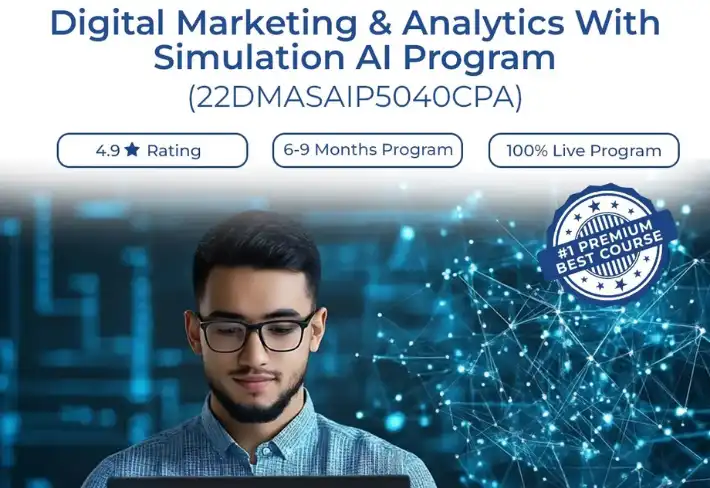
Digital Marketing & AI Strategy Program with Practical Simulator Training
OCP Academy Courses student
can join with us.
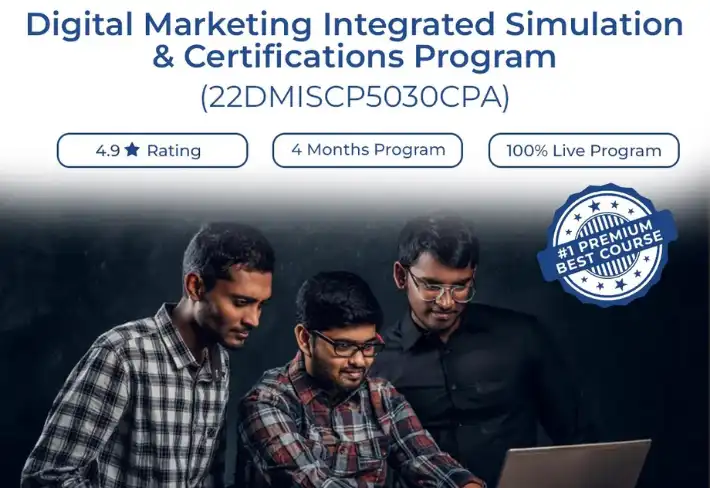
DMISCP
- 132 Lessons
- 39 Students
DMISCP is an industry-integrated digital marketing program that builds job-ready skills through.
DMASAIP
- 132 Lessons
- 0 Students
HiStudy Education Theme by Rainbow-Themes is a user-friendly WordPress tool designed for.
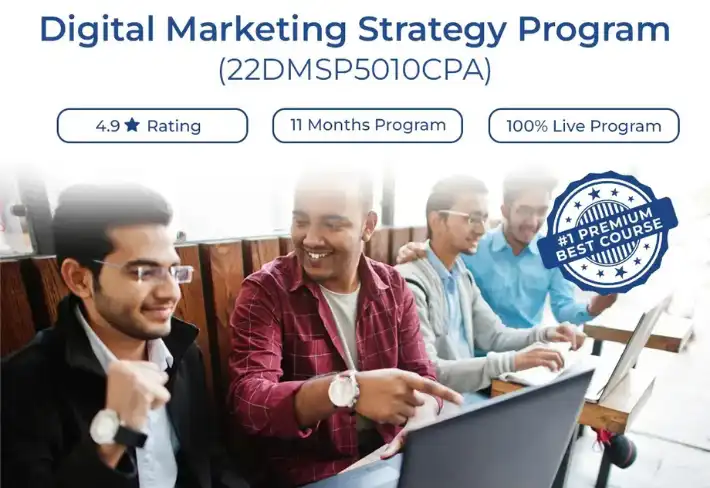
DMSP
- 132 Lessons
- 1 Student
HiStudy Education Theme by Rainbow-Themes is a user-friendly WordPress tool designed for.

DMASAIP
- 132 Lessons
- 0 Students
HiStudy Education Theme by Rainbow-Themes is a user-friendly WordPress tool designed for.
DMSP
- 132 Lessons
- 1 Student
HiStudy Education Theme by Rainbow-Themes is a user-friendly WordPress tool designed for.
AI-Powered Social Media Marketing Course
- 30 Lessons
- 1 Student
JS Zero to Mastery - Full Stack Project in Next.js + Appwrite.
Conclusion
The comparison between an online vs offline digital marketing course ultimately reflects a broader shift in how professional skills are taught. Traditional classroom learning still offers certain advantages, particularly for learners who prefer structured in-person environments.
However, the digital marketing industry itself operates within online platforms, analytics dashboards, advertising systems, and AI-driven tools. For this reason, learning environments that replicate these digital ecosystems are becoming increasingly valuable. Online digital marketing courses provide flexibility, access to modern marketing tools, and opportunities for simulation-based campaign practice.
Institutions such as OCP Academy demonstrate how online learning models can combine strategic education with practical training. As marketing technologies continue to evolve, future digital marketing education will likely be shaped by online learning platforms designed to mirror the real marketing world.
The Real Question Is Not Online vs Offline, It’s Practical vs Theoretical Learning
When discussing an online vs offline digital marketing course, the conversation often focuses only on the format of learning. But the more important question may actually be different. The real distinction is not simply online versus offline, but practical learning versus theoretical learning.
Digital marketing is a field driven by data, experimentation, and campaign performance.
Understanding marketing concepts is valuable, but real expertise develops when learners apply those concepts in practical environments.
A marketer does not truly understand SEO until they analyze keyword data, monitor rankings, and optimize content strategies. Similarly, paid advertising becomes meaningful only when learners experiment with budgets, targeting, and performance metrics.
This is why modern digital marketing education is gradually shifting toward experience-driven learning models.
Programs that integrate real marketing tools, campaign simulations, analytics dashboards, and AI-driven insights allow learners to move beyond theory and develop true marketing capability.
In many ways, the future of marketing education will be shaped not by whether learning happens online or offline, but by whether it allows students to practice real marketing decisions.
Learning environments designed around hands-on experimentation, strategic thinking, and campaign analysis are increasingly becoming the foundation of modern digital marketing training.
Institutions such as OCP Academy illustrate how marketing education can evolve when practical learning becomes the central focus because in the end, the goal of digital marketing education is not simply to teach marketing concepts.
It is to prepare learners to think, experiment, and perform like real marketers.
“The future of AI digital marketing careers belongs to those who learn, adapt, and lead.”
OCP Academy
(A Unit of OCP Foundation)
Learning Today, Leading Tomorrow
Post Popular Post.
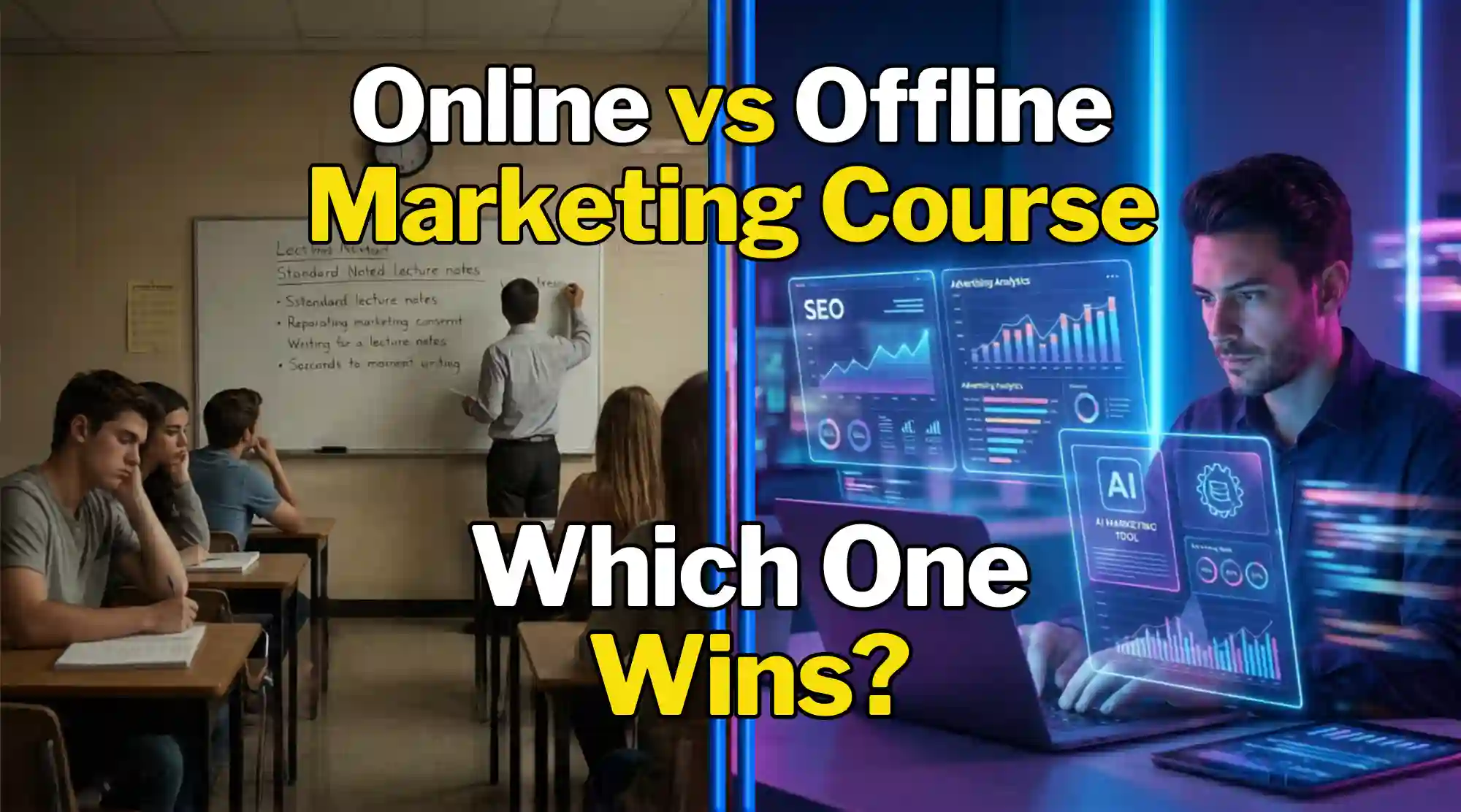
Online vs Offline Digital Marketing Course: Which Is Better Today
Online vs offline digital marketing course comparison and how modern
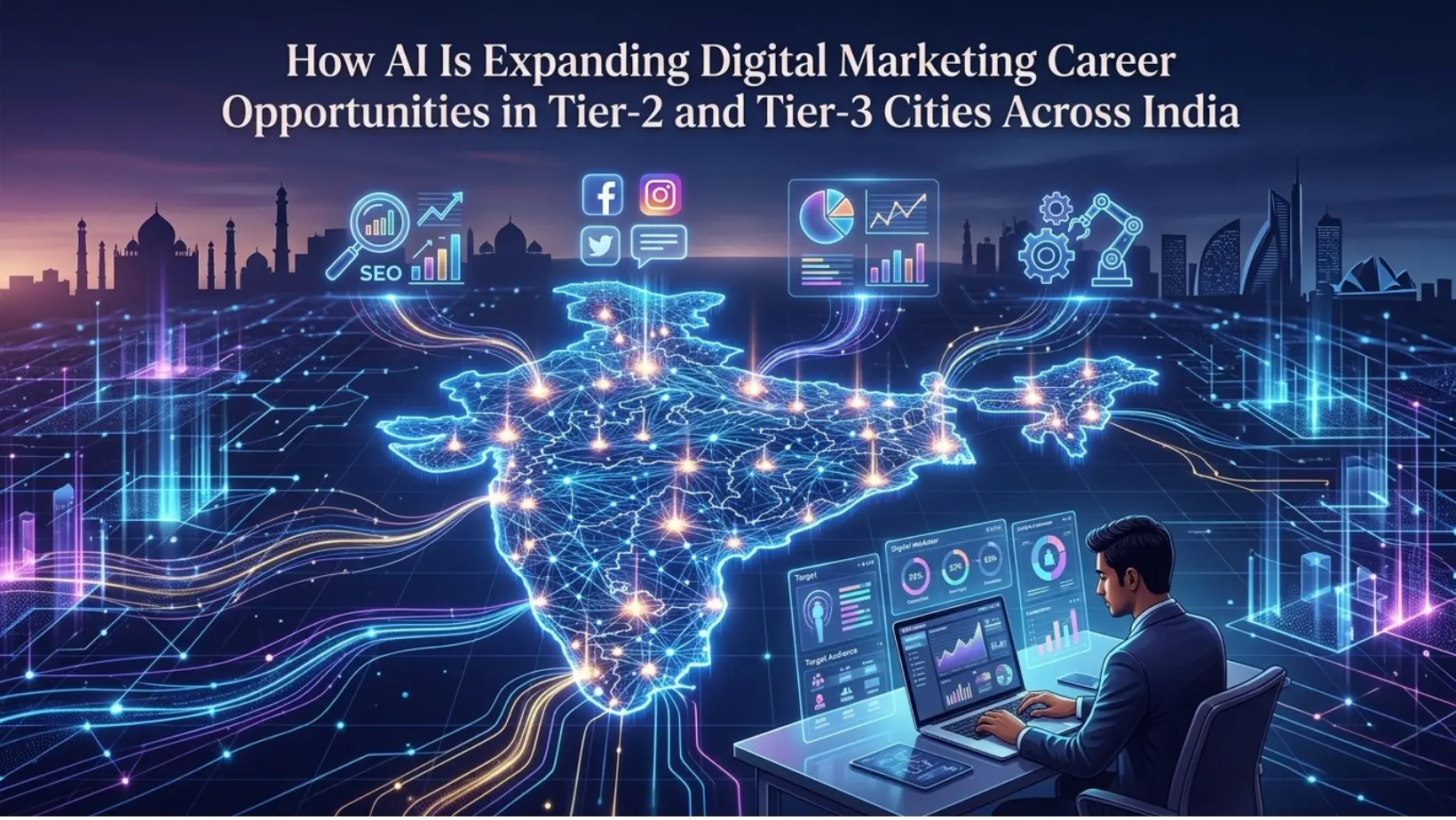
How AI Is Expanding Digital Marketing Career Opportunities in Tier
Artificial Intelligence is expanding digital marketing career opportunities in Tier-2
Why OCP Academy’s Digital Marketing & Analytics With Simulation AI
A modern digital marketing learning experience powered by AI, analytics,

An AI focused digital marketing professional specializing in SEO strategy, social media growth and online reputation management, writes about the future of AI driven digital marketing careers and strategic marketing thinking in the AI era. SEMrush SEO Certified | SEMrush Content Marketing Certified | Canva Certified | Digital Marketing with AI Simulation Program – OCP Academy